A MegaETH lançará o beta da mainnet Frontier para desenvolvedores na próxima semana
Índice
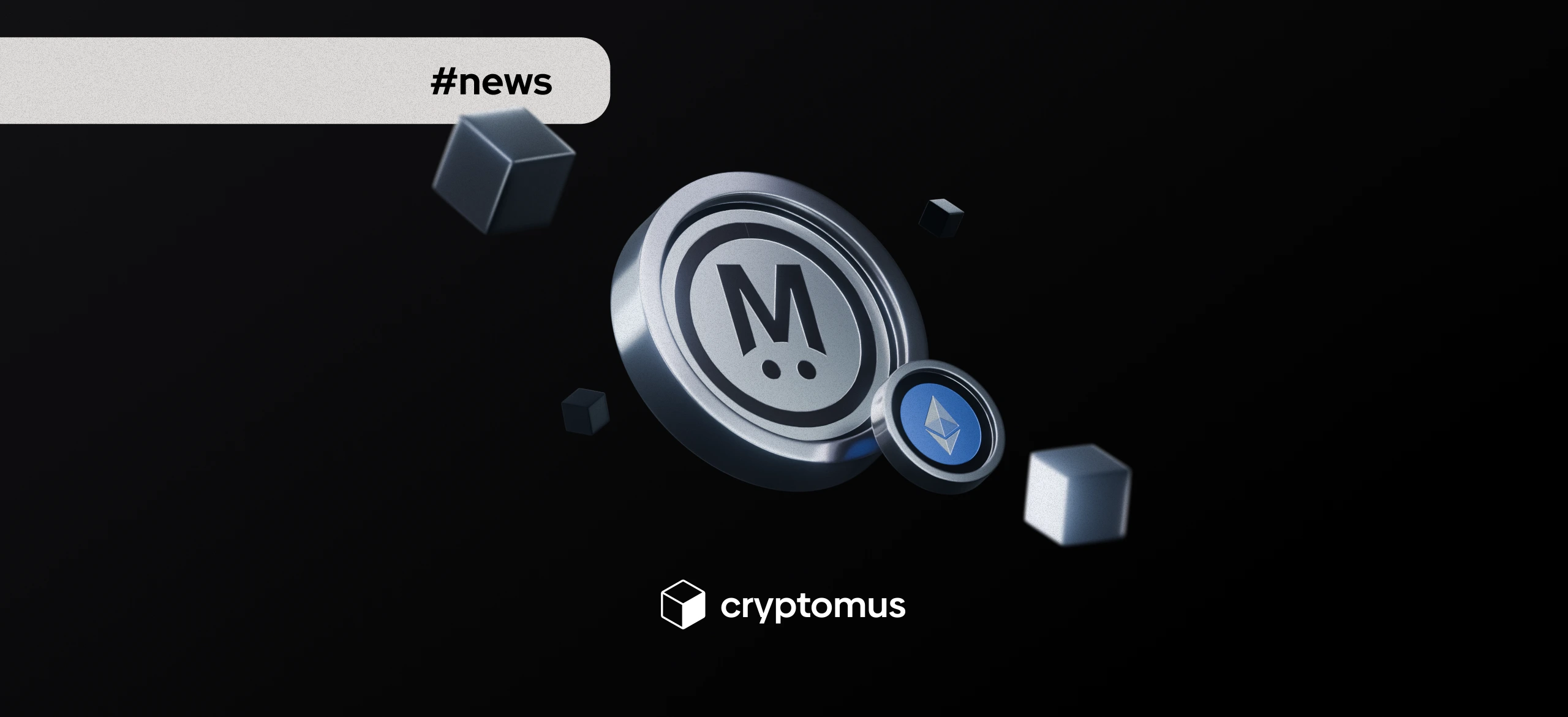
MegaETH está iniciando uma nova fase com o lançamento da sua mainnet beta Frontier na próxima semana. O foco é em desenvolvedores e usuários iniciais que querem ver como a rede funciona em condições reais. Este é um passo importante para o objetivo da MegaETH de criar uma rede Ethereum rápida e em tempo real.
A equipe destacou que o lançamento do Frontier será gradual e com foco na estabilidade. Os testes iniciais já estão em andamento, e os parceiros de infraestrutura estão avaliando ativamente o desempenho da rede.
Teste Beta do Frontier
O Frontier começa com um beta de um mês projetado especificamente para desenvolvedores. Diferente de lançamentos padrão de mainnet, esta fase não oferece incentivos; o objetivo principal é testar o desempenho, identificar gargalos e verificar como os contratos inteligentes funcionam.
We open Frontier to app builders next week.
— MegaETH (@megaeth) 8 de dezembro de 2025
Infrastructure teams have already deployed on mainnet, with many more arriving in the coming days.
We will then spend the weeks that follow supporting applications on deploying and testing ahead of user onboarding.
OMEGA pic.twitter.com/C5ZxY5rKRH
Os desenvolvedores poderão usar recursos como latência sub-milissegundo, processamento em memória e compilação just-in-time para experimentar ferramentas de transação mais rápidas em redes semelhantes ao Ethereum.
A equipe alerta que períodos de inatividade e interrupções são esperados. Isso é normal e importante. Rodar aplicações sob estresse ajuda os desenvolvedores a entender como elas se comportam em condições reais. Essa abordagem é usada em redes Layer-2 e blockchains corporativas, onde a instabilidade inicial ajuda a melhorar a confiabilidade a longo prazo.
O feedback dos desenvolvedores participantes também orientará melhorias na rede. Trabalhando de perto com parceiros selecionados e provedores de infraestrutura, a MegaETH pretende refinar o Frontier antes de um lançamento mais amplo.
Progresso Antes do Beta do Frontier
O beta do Frontier chega após um período ativo para a MegaETH. A rede foi apresentada em meados de novembro como uma layer-2 rápida, capaz de processar mais de 100.000 transações por segundo. Em 25 de novembro, a MegaETH abriu uma ponte de pré-depósito para que os usuários pudessem depositar USD Coin antes dos testes da mainnet.
A ponte apresentou problemas de configuração e foi pausada pouco depois. Em 27 de novembro, todos os depósitos foram reembolsados, e a equipe prometeu uma ponte redesenhada e auditada. Alguns viram isso como um retrocesso, mas muitos elogiaram a medida como um sinal de que a MegaETH prioriza a segurança sobre a velocidade.
We've decided to return all funds raised from the Pre-Deposit Bridge.
— MegaETH (@megaeth) 27 de novembro de 2025
Execution was sloppy and expectations weren’t aligned with our goal of preloading collateral to guarantee 1:1 USDm conversion at mainnet.
How this decision impacts you:
Agora, o Frontier se torna o campo de testes para os próximos experimentos. Ao longo do próximo mês, a MegaETH acompanhará o desempenho e coletará dados sobre estabilidade, carga da rede e execução de contratos inteligentes. Esses resultados orientarão o lançamento completo da mainnet no início de 2026.
Como o Beta do Frontier Prepara para a Mainnet
Se o beta do Frontier ocorrer conforme o planejado, a mainnet pública completa poderá ser lançada já em janeiro de 2026. Isso concluiria quase dois anos de trabalho para entregar o que a MegaETH chama de “Ethereum em tempo real”, uma rede projetada para transações rápidas, confiáveis e eficientes.
O lançamento acontecerá em etapas, começando pelos desenvolvedores e depois se abrindo para mais usuários. Essa abordagem ajuda a prevenir problemas enquanto mantém padrões técnicos elevados. Redes como Solana e Avalanche usaram métodos semelhantes, testando cedo antes de se tornarem totalmente públicas.
Para desenvolvedores e participantes do ecossistema, esta fase representa tanto uma oportunidade quanto uma responsabilidade. Eles podem experimentar a plataforma e fornecer feedback para melhorar a mainnet.
O que Esperar a Seguir
As semanas após o lançamento do beta do Frontier provavelmente mostrarão tanto os pontos fortes quanto as limitações da rede, moldando as expectativas para o lançamento completo. Os desenvolvedores terão a chance de testar novas funcionalidades, e os usuários poderão acompanhar a rede se tornando mais rápida e confiável. A MegaETH claramente foca em equilibrar inovação e estabilidade, um desafio que, se bem-sucedido, pode estabelecer um novo padrão para blockchains de alto desempenho.





Simplifique sua jornada criptográfica
Quer armazenar, enviar, aceitar, apostar ou negociar criptomoedas? Com o Cryptomus tudo é possível — cadastre-se e gerencie seus fundos de criptomoeda com nossas ferramentas úteis.
Iniciar