

David McMillan
Crypto-enthusiast who explores all the possibilities the blockchain technology suggests
Hardware Wallet Vs Software Wallet: What's the Difference?
Every crypto user comes across the main tool for managing their digital assets—a crypto wallet. But here comes the question: what types of wallets exist and how to choose the right option? In this article, we explore this topic and try to answer all the questions you might have in this regard.
What Is a Software Wallet?
A software wallet is a digital wallet you use through an app, browser extension, or a web platform to store, send, receive, and manage all things crypto quickly and conveniently. This option is perfect for those who use crypto on a daily basis: software wallets are easy to get, provide fast transactions, user-friendly interfaces, and 24/7 access from anywhere in the world. Basically, all you need to get to your crypto is Internet connection on any device.
An excellent option is Cryptomus, which not only provides a perfectly functioning wallet but is an all-in-one crypto solution that takes all the features a crypto user may need and combines them with the highest levels of security and convenience.
 Manage your crypto wallet securely2FA, PIN, and encryption will make you rest assured that your coins are safe. Enjoy the wallet's interface with an intuitively clear structure.
What Is a Hardware Wallet?
A hardware wallet is a physical device that stores crypto private keys offline, which makes it a generally safer option for protecting digital assets from hacks and online threats. However, such wallets are less convenient for everyday transactions and usually cost money to purchase while software wallets are free to use. Plus, there’s always a risk of losing the device, which ultimately means losing access to your crypto forever. In short, hardware wallets are best for long-term storage of large amounts of assets, while software ones are perfect for daily use. Everything else here works the same: your crypto still is manageable, still can be staked and still grows. Popular options of hardware wallets include Ledger, Trezor, Tangem, SafePal, and KeepKey.
Complete Comparison
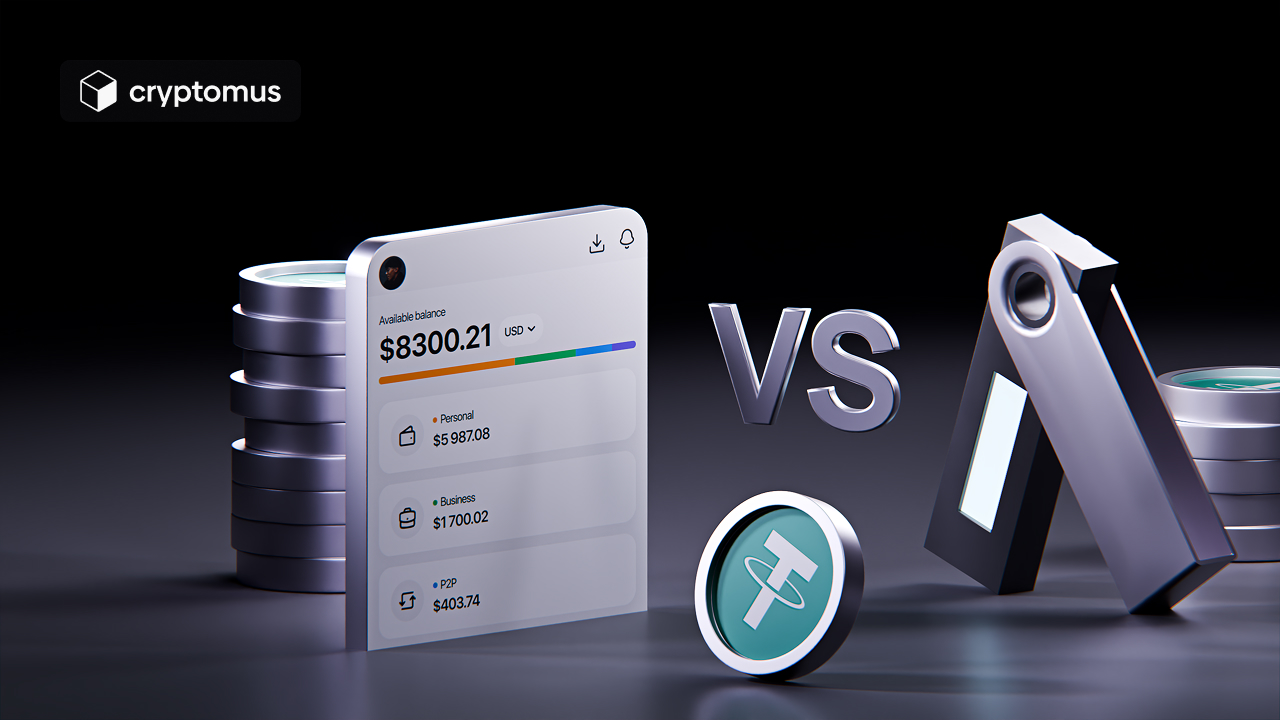
So, software and hardware wallets serve the same basic purpose, but they are built for different priorities. Software wallets are better for convenience, speed, and everyday use, while hardware wallets are stronger in terms of long-term security and offline asset protection. The choice usually depends on how often you use crypto, how much you store, and how important quick access is compared with maximum security.
For your comfort, we’ve created a table with full comparison of both types, considering every important detail:
| Wallet Type | Characteristics | |
|---|---|---|
| Software wallets | Storage method. Stores access credentials in software environments such as apps, browser extensions, or web platforms. Security level. High, but more exposed to phishing, malware, and device-related risks. Convenience. Very convenient for daily use, quick payments, and regular portfolio management. Transaction speed. Faster and easier for everyday sending, receiving, and swapping. Ease of use. Usually beginner-friendly, with simple and intuitive interfaces. Best use case. Everyday crypto activity, payments, trading, and fast access to funds. Accessibility. Easy to access from phone, desktop, or browser. Cost. Free to use. Risk of loss. More dependent on device security and safe backup practices. Main advantage. Speed, flexibility, and ease of access. Main drawback. Lower protection against online threats compared with offline storage. | |
| Hardware wallets | Storage method. Store private keys on a physical offline device. Security level. Very high, since private keys stay offline and are less vulnerable to online attacks. Convenience. Less convenient for frequent transactions because a separate device is needed. Transaction speed. Slower, since transactions usually require connecting and confirming on the device. Ease of use. Can be more difficult for beginners to set up and use correctly. Best use case. Long-term storage and holding larger amounts of crypto. Accessibility. Access depends on having the physical wallet available. Cost. Usually requires buying a device. Risk of loss. Safer from online threats, but the device can be lost or damaged. Main advantage. Maximum protection and offline security. Main drawback. Lower convenience and extra cost . |
Which One You Should Use?
It all comes down to how you plan to use crypto. For people who want to use their money in regular payments or trades, a software wallet would be preferable since it’s easy and fast to use. On the other hand, a hardware wallet would suit those who want to store their crypto safely for the long run because it offers enhanced protection by keeping the assets offline. The perfect scenario is to use both types to take the best from two worlds and create a perfectly protected and convenient portfolio.
Which type of wallet do you prefer? Why? Which one do you use? Does it meet all your needs? Share your experience in the comment below!


